Best Anti-Redness Skincare Solutions for Calm, Even Complexions
Discover top-rated skincare products designed to reduce redness, soothe sensitive skin, and support a healthier skin barrier. The following picks combine hydrating formulas, gentle cleansers, and targeted serums to help calm redness-prone skin across different routines and skin types.
| Product | Brand | Key Benefit |
|---|---|---|
| The Ordinary Soothing & Barrier Support Serum | The Ordinary | Redness reduction and barrier recovery |
| Cetaphil Night Cream | Cetaphil | Overnight hydration for redness-prone skin |
| La Roche-Posay Rosaliac AR Cream | La Roche-Posay | Visible redness calming and hydration |
| Cetaphil Redness Relieving Daily Moisturizer SPF 40 | Cetaphil | Daily hydration with sun protection |
| Pacifica Kale Yeah! Redness Rehab Serum | Pacifica | Niacinamide and super greens to calm redness |
Note: The selections emphasize gentle formulations, barrier support, and anti-redness benefits suitable for American consumers seeking non-irritating, everyday options. Each product feature aligns with reducing visible redness while maintaining hydration and skin comfort.
The Ordinary Soothing & Barrier Support Serum
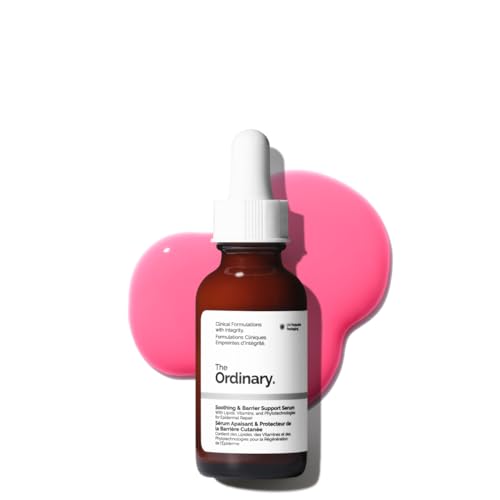
The Ordinary Soothing & Barrier Support Serum focuses on repairing and strengthening the skin barrier while addressing redness and discomfort associated with dryness. The formula is described as repairing the barrier within about two hours, reducing redness, and delivering an immediate hydration boost—claimed to be an 86% hydration increase after a single use. It is noted for aiding skin resilience and comfort with daily use. This option suits users seeking a practical, barrier-focused approach to redness relief.
Cetaphil Night Cream

This redness-relieving night moisturizer is designed for dry, redness-prone skin and is fragrance-free and hypoallergenic. It aims to hydrate throughout the night, helping to reduce the appearance of redness due to dryness. Key soothing ingredients and a gentle formula are highlighted as parts of its approach to skin texture and comfort by morning. The product is positioned for overnight recovery and balance without added scent irritants.
La Roche-Posay Toleriane Rosaliac AR Cream

This intense hydrating cream targets visible facial redness with a blend that includes ambophenol and neurosensine, plus light reflectors for a more even appearance. The formula focuses on soothing redness-prone skin and improving overall texture. The packaging emphasizes protection from contaminants with air-tight design, helping maintain formula integrity for sensitive skin users seeking reliable daily relief.
Cetaphil Redness Relieving Daily Moisturizer SPF 40

This neutral-tinted moisturizer is designed to neutralize redness while hydrating and protecting the skin with broad spectrum SPF 40. It contains ingredients chosen to soothe redness-prone skin and promote an even tone, with emphasis on barrier support and gentle, mineral-based UV filters. A practical day-care option for ongoing redness management is presented.
Pacifica Kale Yeah! Redness Rehab Serum

This serum blends niacinamide with super greens and peptides to calm redness while supporting elasticity and barrier resilience. The formula emphasizes anti-redness effects, pore refinement, and oil control for oily or combination skin. Additional soothing components aim to comfort redness-prone skin without heavy or irritating ingredients, making it suitable for daily use in a balanced skincare routine.
Buying Guide: Key Purchase Considerations For Anti-Redness Skincare
- Identify your primary concern: redness due to dryness, rosacea, or oiliness. Choose products with hydrating formulas for dry-prone skin, or Niacinamide and barrier-support ingredients for reactive skin.
- Look for barrier-supporting ingredients: ceramides, glycerin, hyaluronic acid, allantoin, and panthenol help restore moisture and resilience, reducing redness over time.
- Consider time-of-day use: night creams support overnight recovery, while SPF-containing products protect during the day from UV-induced redness and irritation.
- Assess sensitivity and fragrance: fragrance-free or hypoallergenic formulas are preferable for redness-prone or rosacea-prone skin to minimize irritation.
- Texture and finish: choose products with lightweight gels or quickly absorbing lotions for oily or combination skin, and richer creams for dry skin types.
- Consistency and evidence: look for clinically or dermatologist-supported claims (e.g., redness reduction, barrier repair) and check for third-party endorsements when possible.
- Allergy considerations: if you have known sensitivities, patch-test new products on a small area before full-face use.
- Combination routines: layering order matters—gentle cleansers first, followed by serums, then moisturizers with SPF in the daytime and rich hydrators at night.
In practice, a balanced routine might include a gentle cleanser, a barrier-supporting serum, a redness-targeted moisturizer, and a broad-spectrum SPF during the day. For those seeking convenience, multi-action products with hydration and anti-redness benefits can streamline your routine without sacrificing efficacy. Always prioritize products that align with your skin type and redness triggers for consistent results over time.